 English
English
English


Globe valve is a type of valve that cuts off or regulates the flow of media through a lifting valve disc. It has good regulating and sealing performance and is widely used in pipeline systems for media such as steam, water, and oil. When purchasing globe valves, improper selection or neglect of key parameters may lead to premature valve damage, seal failure, and even affect the safe operation of the entire system. The following are several aspects that need to be focused on when purchasing globe valves.
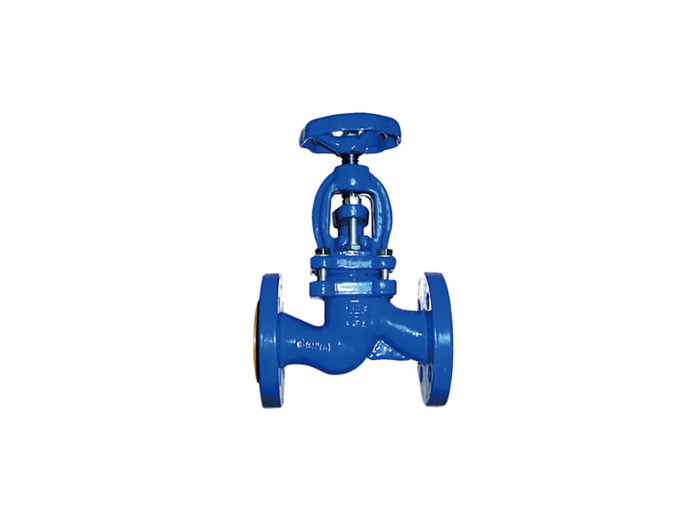
1、 Clearly define the operating parameters
Before purchasing globe valves, it is necessary to accurately grasp the following operating parameters.
The type of medium is basic information. Globe valves are suitable for various media such as water, steam, oil, gas, etc. Different media have different requirements for valve materials and sealing forms. Cast iron or ductile iron globe valves can be used for clean water media, cast steel globe valves must be used for steam media, and stainless steel or fluorine lined globe valves should be used for corrosive media.
The working temperature and pressure are the core criteria for selection. The nominal pressure of the valve must be greater than the maximum working pressure of the pipeline and leave a certain margin. At the same time, it is necessary to confirm that the valve material can withstand the working temperature. Ordinary rubber sealed globe valves are suitable for temperatures below 80 degrees Celsius, PTFE seals are suitable for temperatures between 150 and 200 degrees Celsius, and metal hard sealed globe valves can withstand higher temperatures. When used in steam systems, high-temperature resistant cast steel globe valves and hard seal structures must be selected.
The pipeline connection method is also a parameter that must be clearly defined. The common connection methods for globe valves include flange connection, threaded connection, and welded connection. Flange connections are suitable for medium to large diameters and high pressures, and are easy to disassemble. Threaded connections are suitable for small-diameter and low-pressure applications. Welding connections are suitable for high temperature and high pressure applications that do not require frequent disassembly. When purchasing, it is necessary to confirm the matching of valve and pipeline connection methods.
2、 Choose the appropriate structural form
Globe valves are divided into three structural forms based on the different flow channels of the valve body and the direction of valve disc movement: straight through, right angle, and direct flow.
A straight through globe valve is a common structure, where the inlet and outlet of the medium are on the same axis but the flow channel has a turning point, resulting in relatively high flow resistance. However, it has good sealing performance and is suitable for most general applications. The inlet and outlet of the right angle globe valve are at a 90 degree angle, and the flow direction of the medium changes once. The flow resistance is between the straight through and straight through types, and it can be used at pipeline bends where the flow direction of the medium needs to be changed. One valve serves as both a globe valve and an elbow. The flow channel of a DC globe valve is approximately straight, with little change in the direction of medium flow and low flow resistance. However, the sealing surface is difficult to process, making it suitable for situations where pressure loss is required.
When purchasing, appropriate structural forms should be selected based on pipeline layout and flow resistance requirements. In general, a straight through globe valve can meet most needs.
3、 Pay attention to material selection
The material of the globe valve directly affects its service life and safety. The material selection mainly involves three aspects: valve body material, sealing surface material, and valve stem material.
The material of the valve body should be selected according to the characteristics of the medium and the working conditions. Cast iron globe valves are suitable for general working conditions such as room temperature clean water and low-pressure steam, and have a lower price. Ductile iron globe valves have higher strength and better toughness than cast iron. Cast steel globe valves are suitable for working conditions with high temperature and pressure, such as high-temperature steam and oil products. Stainless steel globe valves are suitable for corrosive media or environments with high hygiene requirements, such as the chemical, pharmaceutical, and food industries. Copper alloy globe valves are suitable for corrosive environments such as seawater and drinking water.
The sealing surface material determines the sealing performance and wear resistance of the globe valve. Common sealing surface materials include copper alloy, polytetrafluoroethylene, stainless steel overlay hard alloy, etc. Copper alloy sealing surface is suitable for general water media. Polytetrafluoroethylene sealing surface has good corrosion resistance, but low temperature resistance, making it suitable for corrosive media. Stainless steel overlay hard alloy sealing surface is wear-resistant and high-temperature resistant, suitable for applications involving steam, high-temperature oil, and particulate media.
The valve stem material is usually made of stainless steel, which has good corrosion resistance and mechanical strength. When purchasing, it should be confirmed whether the valve stem is made of stainless steel material to prevent rusting and jamming caused by using ordinary carbon steel valve stems.
4、 Confirm the sealing performance requirements
The sealing performance of globe valves is a key indicator that needs to be closely monitored during procurement. The sealing performance is divided into two requirements: shell strength and sealing surface leakage.
The shell strength requirement is that the valve body should have no leakage or visible deformation under the specified test pressure. When purchasing, it should be confirmed that the supplier provides a certificate of qualification for the shell strength test.
The leakage rate of the sealing surface has different standard requirements according to the valve grade. For general industrial pipelines, the sealing level of globe valves is usually required to meet the requirements specified by national standards. For important occasions that require tight shut-off, high sealing grade globe valves should be selected, and even zero leakage is required. The sealing grade requirements should be clearly defined during procurement and specified in the contract.
5、 Consider the operation method
The operation modes of globe valves are divided into manual, gear transmission, electric, pneumatic, etc.
Manual globe valve is a common operation method, which directly drives the valve stem to rise and fall through the handwheel. Small caliber globe valves are usually operated by a handwheel with a small operating torque. Due to the large opening and closing torque, it is difficult to manually operate large-diameter globe valves, and gear transmission devices are usually required to reduce operating force.
For shut-off valves that require remote control, frequent operation, or installation in locations that are not easily accessible to personnel, electric shut-off valves or pneumatic shut-off valves should be selected. The electric globe valve can be controlled locally or remotely by being driven by a motor. Pneumatic globe valves are driven by compressed air and are suitable for situations with air source conditions.
Attention should also be paid to the opening and closing direction of the shut-off valve during procurement. The conventional globe valve operates with low inlet and high outlet, meaning that the medium enters from below the valve disc and flows out from above. When this structure is closed, the valve disc is compressed and the seal is reliable, but when it is opened, it needs to overcome the medium pressure and the operating torque is relatively large. There are also high inlet and low outlet shut-off valves, suitable for situations that require quick closure. When purchasing, it should be confirmed whether the valve flow direction meets the pipeline design requirements.
6、 Pay attention to brand and quality certification
Globe valves are pressure equipment, and their quality directly affects system safety. When purchasing, regular manufacturers with corresponding production qualifications should be selected for their products. It is necessary to confirm whether the supplier has a special equipment manufacturing license, and whether the valve products have qualification certificates and quality certification documents. For globe valves used in pressure pipelines, type test reports should also be required. When purchasing globe valves for important occasions, it is recommended to choose suppliers with good brand or long-term cooperative reputation to avoid purchasing inferior products at a low price.
7、 Check appearance and labeling
After receiving the valve, a visual inspection should be conducted before installation. The surface of the valve body should be flat and smooth, without casting defects such as sand holes, pores, cracks, etc. The flange sealing surface should be flat and undamaged. The surface of the valve stem should be smooth, free from rust and scratches. The handwheel should be intact and undamaged, and the direction of the switch should be clearly marked.
The parameters on the valve nameplate should be consistent with the procurement requirements, including valve model, nominal diameter, nominal pressure, applicable medium, manufacturing standards, production date, etc. There should be a medium flow arrow on the valve body to confirm the correct direction.
8、 Consider spare parts and after-sales service
During the use of globe valves, the sealing surface and packing are vulnerable parts that need to be replaced regularly. When purchasing, it is necessary to confirm whether the supplier provides spare parts such as sealing rings and fillers, as well as the supply cycle of the spare parts. For imported globe valves or special models of globe valves, special attention should be paid to the convenience of spare parts supply. At the same time, understand the supplier's after-sales service capabilities, including technical consultation, on-site guidance, quality problem handling, etc.
summary
The key points to note when purchasing globe valves can be summarized as follows: clarifying operating parameters is a prerequisite, selecting the right structural form is crucial, material selection determines lifespan, sealing performance is related to safety, operating methods affect usage, brand quality assurance is reliable, appearance inspection is essential, and spare parts must be thoroughly inspected after sale. Fully understand the actual requirements of the pipeline system before procurement, communicate technical details with suppliers, and select products that meet standard requirements to ensure the long-term stable operation of the globe valve in the system. Do not only focus on price and ignore quality and selection, in order to avoid losing out on small gains and causing even greater losses.

